That Online Bargain Could Be a Trap: How South Africans Can Shop More Safely
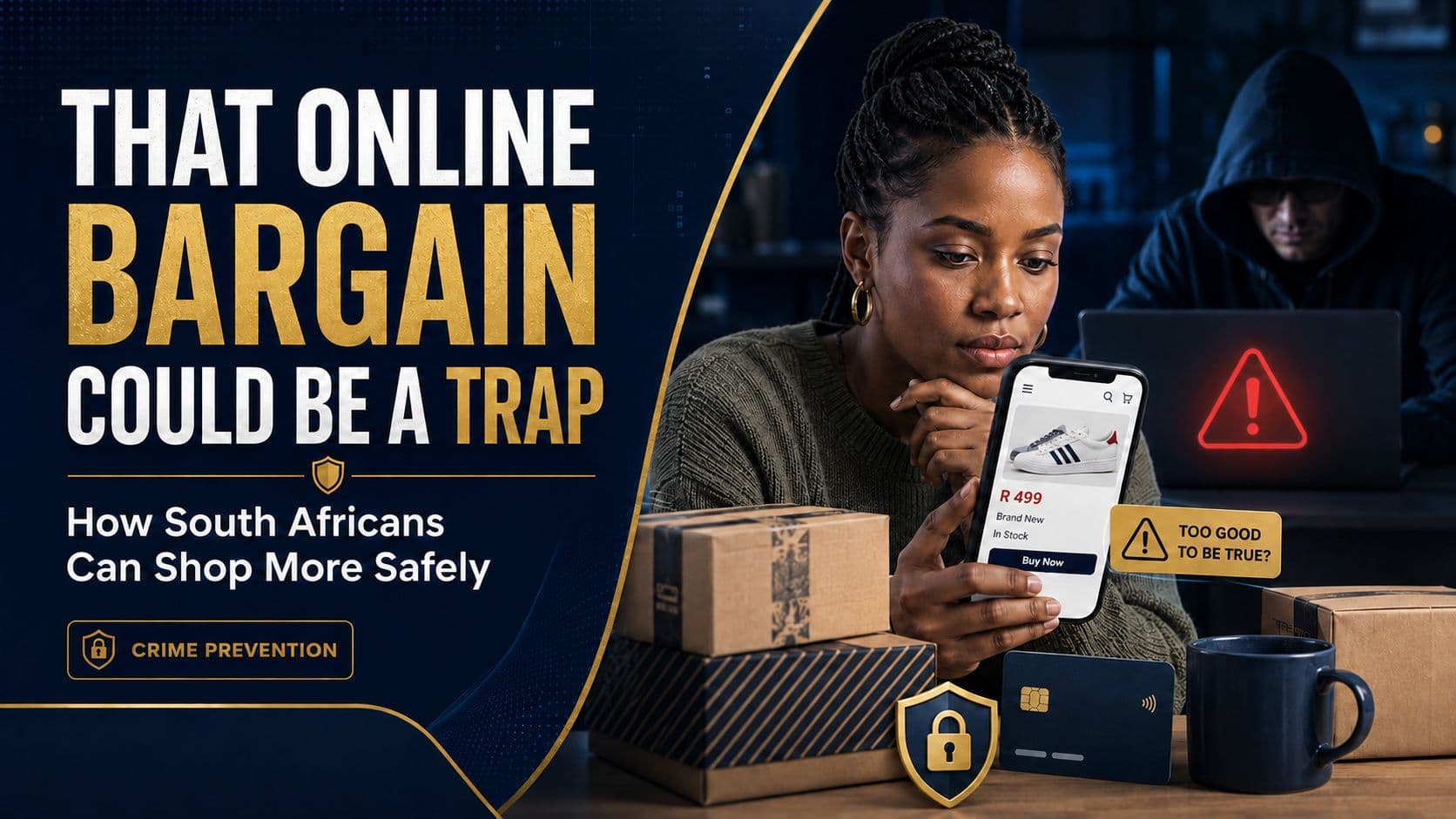
The advert looks convincing. The photographs are clear, the seller is friendly and the price is much lower than anything else you have seen. Then comes the pressure: pay a deposit now, or another buyer will take the deal.
That moment is exactly when you should slow down.
On 19 August 2026, the South African Police Service warned residents in Tshwane about fraudsters using social-media platforms and online marketplaces to advertise goods, ask for deposits or full payment, and disappear before the buyer can properly verify the product or seller. SAPS highlighted unusually low prices and demands for payment before verification as warning signs.
The warning was issued in Gauteng, but the lesson applies wherever South Africans buy from unfamiliar people online.
Why these scams are convincing
Online marketplace fraud often works because the advert feels ordinary. A dishonest listing may use photographs copied from somewhere else, a believable personal profile and a reason for the low price. The seller may also create urgency so that the buyer acts before checking the details.
No single clue proves that an advert is fraudulent. A low price can be genuine, a new profile can belong to a real seller and a person may have a legitimate reason for selling quickly. The safest approach is to consider the whole picture and verify independently.
Nine checks to make before you pay
1. Compare the price
Check similar products on several reputable platforms. A price far below the normal second-hand value deserves extra scrutiny. Ask why the item is discounted and decide whether the explanation can be verified.
2. Examine the seller's profile
Look at the age of the account, its normal activity, previous listings and buyer feedback. Reviews can also be manipulated, so treat them as one clue rather than final proof.
3. Search the images
A reverse-image search may show that the photographs were taken from another advert, retailer or overseas website. Ask the seller for a new photograph showing the item beside a harmless, specific object or a handwritten date. Never request identity documents to be displayed publicly.
4. Verify the item in real time
For a valuable item, ask for a live video call or inspect it in person before paying. Confirm the product's condition, identifying details and whether it works as claimed. If applicable, check a serial number through a legitimate manufacturer or service channel.
5. Be careful with payment pressure
Statements such as "pay in the next ten minutes" or "send a deposit to secure it" are designed to shorten your decision time. A genuine seller may want a prompt answer, but you should never allow urgency to replace verification.
6. Use the platform's safety features
Keep messages inside the marketplace where possible and use any verified payment or buyer-protection system correctly. Be suspicious if a seller immediately moves the conversation to another channel or sends an unfamiliar payment link.
7. Check links before opening them
Fraudsters may send pages that imitate courier, payment or banking websites. Instead of following a message link, open the official app or type the organisation's known address yourself. Never provide a one-time PIN, password or banking-app approval code to a buyer, seller or supposed courier.
8. Plan in-person exchanges safely
Meet during daylight in a busy, monitored place, preferably with a trusted adult or colleague. Tell someone where you are going and what time you expect to return. Do not carry a large amount of cash, and do not allow a stranger to redirect you to an isolated location.
9. Trust a pause, not the pressure
If the story changes, details do not match or the seller becomes aggressive when you ask reasonable questions, step away. Missing one bargain is better than losing money or entering an unsafe situation.
Sellers can be targeted too
People selling goods online also face risks. A supposed buyer may send a false proof of payment, overpay and request a refund, arrange a fraudulent courier collection or ask for a one-time PIN. Confirm money through your own banking app or bank — not through a screenshot or message — and do not release an item until payment has genuinely cleared according to your bank's guidance.
What to do if you suspect fraud
Stop further payments and contact your bank immediately through its official fraud channel. Preserve the advert, profile link, messages, phone numbers, account details and proof of payment. Report the account to the platform and open a case with SAPS. Do not confront or threaten the suspected fraudster.
Fast reporting cannot guarantee that money will be recovered, but it gives banks, platforms and police better information to work with.
A security habit that works online and offline
Good security begins with verification. At an estate gate, a visitor should be checked before access is granted. Online, a seller and product should be checked before money is released. Technology helps, but a calm process is what stops pressure from becoming a costly mistake.
JBA Security combines old-school discipline with modern security technology to help South African communities and businesses create safer, more accountable environments.
Frequently asked questions
Is a very low price proof of a scam?
No. It is a warning sign that justifies additional checks, not proof on its own.
Is a proof-of-payment screenshot enough?
No. Sellers should verify the payment independently through their own bank or banking app and follow their bank's guidance before releasing goods.
Where should suspected online fraud be reported?
Contact your bank immediately, report the account or advert to the platform, preserve the evidence and report the matter to SAPS.
Security starts with a process people can trust
From controlled access to CCTV oversight and professional guarding, JBA Security helps estates and businesses build stronger layers of protection. Contact JBA Security to discuss your site's needs.
More Insights
When a Hijacking Becomes a Kidnapping: Safety Lessons for Gauteng Motorists
A recent Tshwane rescue is a reminder that a hijacking can escalate rapidly. These practical habits can help motorists reduce risk before, during and after a threatening encounter.
Read More →Extortion Is Not Only a Big-Business Problem: What Western Cape Owners Should Know
A multi-agency operation and four arrests have put extortion back in the spotlight. Here is what Western Cape owners, managers and staff should know before a demand arrives.
Read More →New PSiRA Reporting Rules: Why Your Security Provider's Payroll Records Matter to Your Estate
Since 1 April 2026, PSiRA-registered security businesses must submit detailed monthly workforce, deployment and payroll information. We explain what changed, why it matters to your property, and the compliance documents an HOA or procurement team should request from any guarding provider.
Read More →Is Your Current Security Provider Truly Accountable?
Book a no-obligation site security assessment with JBA Security.